
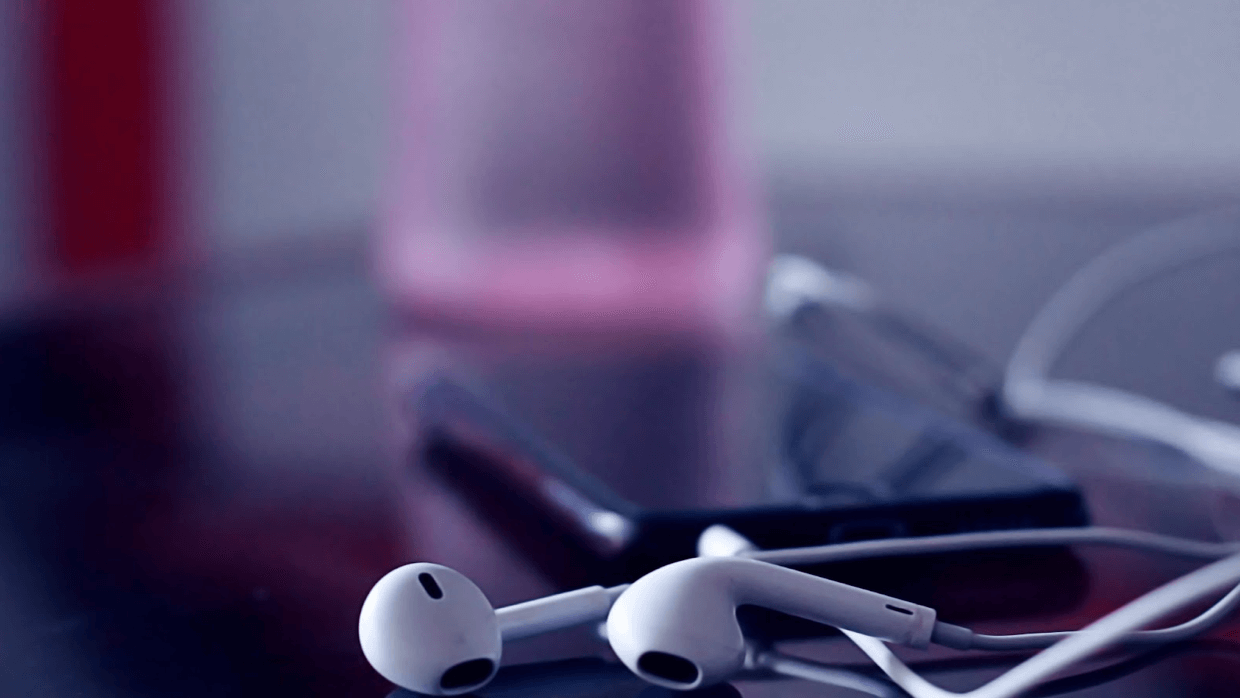
Headphones and earbuds are everywhere. They are used for music, calls, games, and online classes. Whether they are being used to listen to music or to join a conference call, the use of headphones is a common part of many people’s days. Despite their frequent use, many people do not realize the negative effects that improper headphone use can have on our ears.
At Big Sky Audiology & Hearing Aids, we believe in enjoying sound safely. We want you to have great hearing now and in the long term, whether or not you ever need a hearing aid. Below we cover the main risks from headphones, how common those risks are, and what you can do to protect your hearing and ear health.
1. Noise-Induced Hearing Damage from Headphones
Listening at high volume or for long periods can damage the tiny hair cells inside your cochlea. Once those are damaged they do not regenerate, so hearing loss becomes permanent. Modern headphones and earbuds can reach 105–110 decibels (dB) at maximum volume.
Sounds above 85 dB are generally considered risky if exposure is sustained (NIH: How Loud Is Too Loud). According to the World Health Organization, listening at 80 dB is safe for up to 40 hours per week, but at 90 dB, that safe listening time drops to 4 hours per week (WHO Safe Listening). The American Speech-Language-Hearing Association notes that safe listening time roughly halves for every 3 dB increase above 85 dB (ASHA Loud Noise Dangers).
Studies show measurable hearing losses, especially in young people, related to headphone or earbud use. In a study of university students aged 23–30, about 36% of those who regularly used headphones for music showed signs of hearing threshold shifts compared to people who did not use headphones (Study).
Another study found that among young adults and adolescents, headphone and earbud users were significantly more likely to show poorer hearing thresholds than non-users (PMC Study). A global study found over 1 billion adolescents and young adults may be at risk of permanent hearing loss due to unsafe listening habits between 2000 and 2021 (BMJ Global Health).
2. Ear Infections and Irritation Due to Headphone Use
Alongside noise damage, there is the hygiene side of things. Did you know that headphones can increase the level of bacteria inside the ear by up to 700%?
Studies have shown a direct link between headphone use and an increased risk of ear infection. According to research conducted by the Manipal Academy of Higher Education, “Frequent and constant use of earphones increases the bacterial growth in the ear.” The reason for this increase in bacteria is due to the fact that the headphones cover your ears from the external air, essentially trapping bacteria from the surface of the headphones (as well as any other bacteria your ear may have been exposed to) inside.
Additionally, while the moisture inside your ears typically evaporates over the course of the day, headphones lock in this moisture instead. This leads to extra moist, warm conditions inside the ear that provide the perfect place for bacteria to multiply, which can increase the risk of getting an infection. It is crucial to remember this during times when we produce more sweat, such as during summer, while exercising, and in warm weather conditions.
How to Reduce Bacteria and Infection Risk
There are ways to minimize the risk of ear infections by practicing proper headphone use. One effective way to cut down on the amount of bacteria that you are putting inside your ear is simply by cleaning your headphones before using them. You should wipe down your headphone earpads or earbuds tips with a lightly damp cloth at least once a week.
A simple way to do this is to wipe them down with a disinfectant such as rubbing alcohol or hand sanitizer, preferably directly before each use. If the headphones are over-the-ear headphones, it is recommended to remove the pad coverings and thoroughly wipe them down with a damp cloth, soap, and water, then leave them to dry completely.
Avoiding prolonged headphone usage is important in order to give your ears time to breathe, as well as to allow for the evaporation of any excess moisture inside them. Finally, it is good practice not to share your headphones with others. If you do choose to share, it is best to disinfect the headphones directly before use as well as directly after. Our ears are designed to clean themselves; however, headphone use can introduce bacteria levels to your ears that they are not used to accounting for.
Warning Signs to Watch For Concerning Headphone Use
Sounds feeling muffled or dull after headphone use? Ringing, buzzing, or whooshing in your ears (tinnitus)? Needing to increase the volume over time to hear normally? Itching, redness, or pain in the outer ear? Difficulty hearing in noisy places? If you notice any of these persistently, have your hearing tested at Big Sky Audiology. Early detection can help prevent further damage, and if hearing loss has already occurred, we can talk about options, including hearing aids, to restore or improve what is lost.
Safe Headphone Listening and Cleaning Tips
Keep volume at 50–60% of device maximum when possible. Limit continuous listening by using the “60/60 rule”: listen at 60% volume for up to 60 minutes, then take a break. Use over-ear or noise-cancelling headphones so you do not have to raise volume to overcome background noise. Clean ear tips and pads with appropriate disinfectant and allow them to dry after use. Avoid sharing earbuds and replace tips or pads when they are worn or damaged. If you are in a loud place like public transit or a gym, do not crank up the volume; instead use noise-cancelling or well-sealed headphones to block background sound.
Talk to an Audiologist
Schedule an appointment with an audiologist if you notice persistent ringing in your ears, ongoing hearing difficulty especially in noisy environments, or recurring ear infections, irritation, or discomfort. At Big Sky Audiology we perform detailed hearing tests and ear health evaluations. If hearing loss is detected, hearing aids are one of the potential tools to help improve your ability to hear clearly. Even mild hearing aid technology can make a big difference when damage is caught early.
Summary on Headphone Use and Hearing Damage
Headphones and earbuds are not bad in themselves, but misuse can cause both noise-induced damage and hygiene-related ear problems. By managing volume, limiting session duration, cleaning your gear, being alert to early warning signs, and consulting professionals like Big Sky Audiology, you can greatly reduce your risk. If hearing loss is present, hearing aids may help restore clarity and improve quality of life.
If you are experiencing any level of pain inside your ears after headphone use, or otherwise, it is always best to consult an audiologist at Big Sky Audiology to get to the root of the problem and receive the care you need. We offer comprehensive hearing tests and ear health evaluations, and if hearing loss is detected, hearing aids are one of the potential tools to help improve your ability to hear clearly.
FAQ’s Related to Headphone Use
Can headphones cause permanent hearing loss?
Yes. Listening at high volume for long periods can damage the tiny hair cells in the cochlea. These cells do not regenerate, so hearing loss is permanent. Experts recommend keeping the volume at 50–60% of the device maximum volume, and taking breaks to prevent damage.
Do headphones increase the risk of ear infections?
Yes. Research shows frequent headphone use can trap moisture and bacteria inside the ear, which may increase the risk of outer ear infections. Cleaning headphones regularly and avoiding sharing them can reduce this risk.
How can I safely use headphones?
Keep the volume at or below 60% of the maximum, limit continuous listening to about an hour before taking a break, clean ear tips or pads regularly, and use noise-cancelling headphones so you do not have to raise the volume to overcome background noise.
When should I see an audiologist?
If you notice ringing, buzzing, or muffled sounds after headphone use, ongoing hearing difficulty, or recurring ear infections, schedule a hearing test. Big Sky Audiology can evaluate your hearing and, if needed, recommend solutions such as hearing aids.


